300 Anxiety and Depression Therapy Questions: A Customizable Guide for Healing
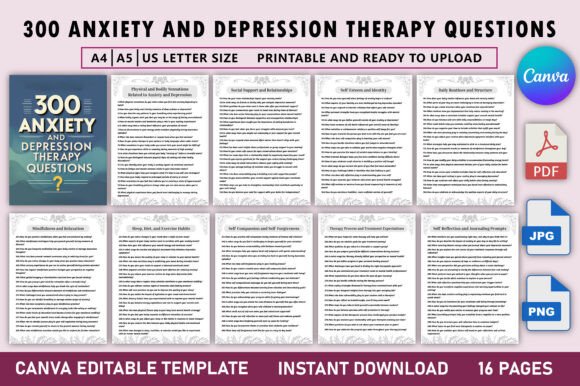
Managing anxiety and depression often requires more than just medication or self-help strategies. It involves a deep exploration of thoughts, emotions, and experiences through structured therapy. The 300 Anxiety and Depression Therapy Questions guide offers a comprehensive resource designed to help individuals navigate their mental health journey with clarity and purpose. This customizable tool can be edited on Canva to suit personal preferences, making it ideal for therapists, patients, or anyone looking to deepen their understanding of mental wellness.
Whether you're preparing for a therapy session, journaling for self-reflection, or simply exploring ways to improve emotional well-being, this guide provides an extensive list of questions that cover various aspects of anxiety and depression. From physical sensations to emotional regulation, each question is crafted to encourage introspection and meaningful dialogue with a mental health professional.
Understanding the Physical and Bodily Sensations
Anxiety and depression are not solely emotional experiences; they often manifest in the body as well. Recognizing these physical symptoms can be the first step toward healing. Common bodily sensations include fatigue, muscle tension, headaches, digestive issues, and sleep disturbances. By reflecting on these experiences, individuals can better communicate their needs to a therapist and identify patterns that may trigger episodes.
The 300 Anxiety and Depression Therapy Questions guide includes prompts such as “What physical symptoms do I experience when feeling anxious?” and “How does my body react during depressive episodes?” These questions allow users to track their physical responses over time and develop a deeper awareness of how their mind and body are connected.
Cognitive Aspects and Thought Patterns
One of the most powerful tools in therapy is identifying and challenging negative thought patterns. Cognitive distortions—such as catastrophizing, black-and-white thinking, and overgeneralization—can significantly impact a person's mental state. Understanding these patterns is essential for developing healthier ways of thinking.
The guide encourages users to explore questions like “What recurring thoughts do I have when I feel anxious or depressed?” and “Are there any cognitive distortions that I notice in my thinking?” These prompts help individuals recognize unhelpful thought cycles and work with their therapist to reframe them in a more balanced way.
Emotional Awareness and Regulation
Emotional regulation is a crucial skill for managing anxiety and depression. It involves recognizing and responding to emotions in a healthy manner rather than suppressing or ignoring them. Developing this skill can lead to greater emotional resilience and improved overall well-being.
The 300 Anxiety and Depression Therapy Questions guide includes prompts such as “What emotions do I typically feel before an anxiety attack?” and “How do I usually respond to feelings of sadness or hopelessness?” These questions help users build a stronger emotional vocabulary and learn techniques for managing intense emotions effectively.
Coping Mechanisms and Strategies
Everyone has different coping mechanisms for dealing with stress and emotional challenges. Some people find comfort in creative outlets, while others prefer physical activity or mindfulness practices. Identifying effective coping strategies is an important part of the therapeutic process.
The guide offers prompts like “What activities help me feel calmer when I'm anxious?” and “Which coping strategies have worked best for me in the past?” These questions encourage individuals to reflect on what works for them and continue refining their approach to managing mental health.
Triggers and Early Warning Signs
Identifying triggers and early warning signs can be incredibly helpful in preventing full-blown episodes of anxiety or depression. By recognizing what sets off certain emotions or behaviors, individuals can take proactive steps to manage their mental health.
Questions included in the guide might ask, “What situations tend to trigger my anxiety?” and “What are the early signs that I'm feeling overwhelmed or down?” These prompts help users become more attuned to their own patterns and develop strategies for addressing them before they escalate.
Past Experiences and Trauma
Many people with anxiety and depression have experienced trauma or difficult life events that contribute to their condition. Exploring these experiences in therapy can be both challenging and transformative. It allows individuals to understand the root causes of their symptoms and begin the healing process.
The 300 Anxiety and Depression Therapy Questions guide includes prompts such as “What past experiences have contributed to my current feelings of anxiety or depression?” and “How have my childhood experiences shaped my current emotional state?” These questions encourage deep reflection and can lead to greater insight and personal growth.
Social Support and Relationships
Strong social support is a key factor in mental health recovery. Positive relationships can provide comfort, encouragement, and a sense of belonging. On the other hand, toxic or unsupportive relationships can exacerbate feelings of anxiety and depression.
The guide includes questions like “Who in my life supports me during difficult times?” and “Are there any relationships that contribute to my feelings of isolation or sadness?” These prompts help individuals assess the quality of their social connections and make necessary changes to foster healthier relationships.
Self-Esteem and Identity
Low self-esteem and a distorted sense of identity can play a significant role in the development and maintenance of anxiety and depression. Building self-worth and gaining a clearer understanding of one's identity is an important part of the therapeutic process.
Questions included in the guide might ask, “How do I view myself when I'm feeling down?” and “What aspects of my identity bring me joy or fulfillment?” These prompts encourage individuals to explore their sense of self and develop a more positive and compassionate view of themselves.
Daily Routines and Structure
Establishing a consistent daily routine can provide stability and structure, which are essential for managing anxiety and depression. Regular routines help regulate mood, improve sleep, and increase productivity.
The 300 Anxiety and Depression Therapy Questions guide includes prompts such as “What parts of my daily routine help me stay grounded?” and “How can I create a more structured schedule to support my mental health?” These questions encourage individuals to reflect on their habits and make adjustments that promote well-being.
Mindfulness and Relaxation
Mindfulness and relaxation techniques can be powerful tools for managing anxiety and depression. Practices such as meditation, deep breathing, and progressive muscle relaxation can help reduce stress and promote emotional balance.
The guide includes prompts like “What mindfulness practices help me feel more centered?” and “How can I incorporate relaxation techniques into my daily life?” These questions encourage individuals to explore different methods of calming their minds and bodies.
Self-Compassion and Self-Forgiveness
Learning to be kind and forgiving toward oneself is a critical component of mental health recovery. Many people with anxiety and depression struggle with self-criticism and shame, which can worsen their symptoms.
The 300 Anxiety and Depression Therapy Questions guide includes prompts such as “How do I treat myself when I'm feeling anxious or depressed?” and “What would I say to a friend who was going through the same struggles?” These questions help individuals cultivate a more compassionate and understanding relationship with themselves.