300 Difficult Questions Journal Prompts: A Strategic Tool for Deep Self-Reflection and Growth
The 300 Difficult Questions Journal Prompts is more than just a list of questions—it's a strategic framework designed to unlock deeper self-awareness, challenge limiting beliefs, and guide individuals toward meaningful personal or professional transformation. Whether you're an entrepreneur looking to refine your brand messaging, a marketer aiming to better understand your audience, or a creative seeking clarity on your next project, this tool offers a structured way to explore complex emotions, past experiences, and future aspirations.
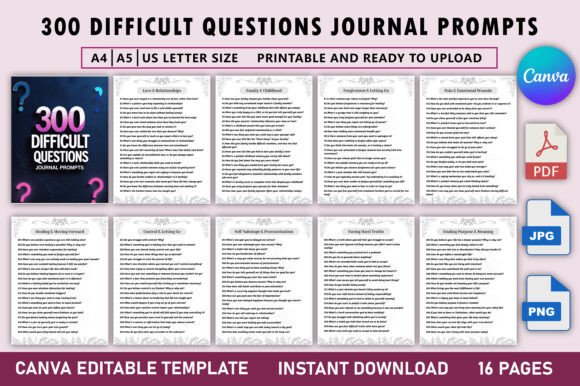
With 300 prompts divided into thematic categories such as self-identity, relationships, fear, regret, and purpose, the journal provides a comprehensive roadmap for introspection. Each prompt is crafted to provoke thoughtful reflection rather than superficial answers, making it ideal for anyone serious about self-improvement and intentional decision-making.
Why Use 300 Difficult Questions Journal Prompts Strategically?
Strategic use of the 300 Difficult Questions Journal Prompts can significantly enhance your ability to make informed decisions, improve communication, and foster creativity. Here’s how:
- Goal Alignment: By reflecting on prompts related to purpose and meaning, you can align your actions with your core values and long-term goals.
- Enhanced Communication: Prompts that explore relationships and emotional wounds can help uncover hidden motivations and improve interpersonal dynamics.
- Creative Clarity: Engaging with prompts around fear, uncertainty, and self-sabotage can clear mental blocks and spark new ideas.
- Operational Efficiency: For professionals, using these prompts to examine boundaries, control, and people-pleasing behaviors can lead to more effective time management and leadership strategies.
These prompts are not just for personal development—they have practical applications in branding, customer experience, and even team-building within organizations.
How to Approach 300 Difficult Questions Journal Prompts Effectively
Approaching the 300 Difficult Questions Journal Prompts without a clear strategy can lead to superficial responses and missed opportunities for real growth. Here are some practical steps to ensure you get the most out of this tool:
- Set Clear Intentions: Before diving in, define what you hope to achieve. Are you working through a specific emotional wound? Seeking clarity on a career move? Having a clear goal ensures your reflections are focused and impactful.
- Choose Relevant Categories: The prompts are organized by themes like self-worth, forgiveness, and letting go. Select categories that align with your current challenges or areas of interest.
- Use a Consistent Routine: Dedicate time each week to reflect on a few prompts. This consistency builds momentum and helps you track progress over time.
- Combine with Other Tools: Pair journaling with other methods like meditation, goal-setting frameworks, or productivity techniques for a more holistic approach.
For example, if you're a small business owner struggling with burnout, prompts around control, boundaries, and self-sabotage can help identify patterns that may be contributing to your stress. Reflecting on these questions can then inform actionable changes in your workflow or team structure.
When to Use 300 Difficult Questions Journal Prompts
The 300 Difficult Questions Journal Prompts can be used in various scenarios, depending on your needs:
- Personal Development: When you're feeling stuck, unsure of your direction, or dealing with emotional pain, these prompts offer a safe space to explore difficult truths.
- Professional Growth: Entrepreneurs and leaders can use them to assess their mindset, evaluate leadership styles, and identify blind spots that may be hindering success.
- Creative Inspiration: Artists, writers, and creators often benefit from exploring prompts around purpose, fear, and emotional wounds to fuel their work.
- Team Building: Leaders can use these prompts in group settings to encourage open dialogue, build trust, and uncover shared values among team members.
Whether you're using it for daily reflection or during a structured period of self-improvement, the key is to approach it with intention and openness.
Possible Risks of Using 300 Difficult Questions Journal Prompts Without Strategy
While the 300 Difficult Questions Journal Prompts can be incredibly powerful, using them without a clear plan can lead to several pitfalls:
- Overwhelm: Jumping into all 300 prompts at once can be overwhelming and counterproductive. It's better to take it step by step.
- Lack of Focus: Without a defined goal, your reflections may lack direction and fail to produce meaningful insights.
- Emotional Distress: Some prompts delve into painful topics. If not approached carefully, they could trigger anxiety or emotional distress without proper support.
- Superficial Reflections: Rushing through prompts without deep thought can result in surface-level answers that don’t lead to real change.
To avoid these risks, it's important to set boundaries, seek guidance when needed, and integrate the prompts into a broader self-development strategy.
Customizing and Formatting Your Journal Experience
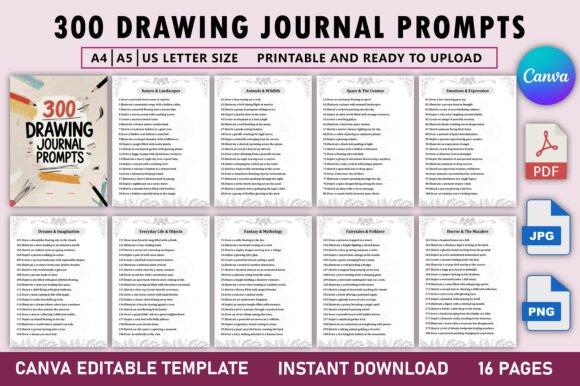
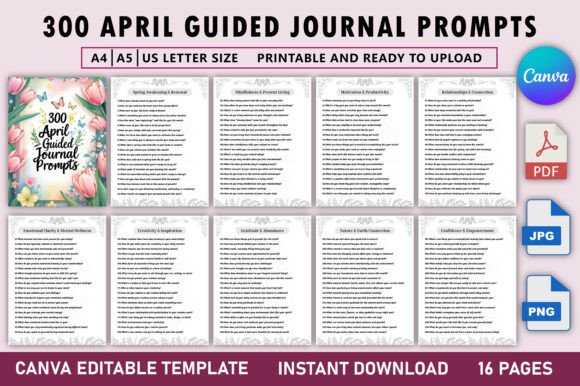
The 300 Difficult Questions Journal Prompts comes in multiple formats including A4, A5, and US Letter sizes, making it adaptable for both digital and print use. You can also customize the design using Canva, allowing you to edit fonts, colors, and layouts to suit your preferences.
Customization is particularly useful for educators, coaches, and trainers who want to tailor the journal for different audiences or purposes. For instance, a life coach might reformat the prompts into a visually engaging PDF for clients, while a teacher could adapt it for classroom use with students exploring identity and personal growth.
Additionally, the editable Canva link allows for easy modifications, ensuring that the journal remains relevant and aligned with evolving personal or professional goals.
Integrating 300 Difficult Questions Journal Prompts Into Daily Life
Incorporating the 300 Difficult Questions Journal Prompts into your routine doesn't require a major lifestyle overhaul. Start small by dedicating 10–15 minutes a day to one or two prompts. Over time, this practice can become a valuable habit that supports continuous learning and growth.
You can also integrate the journal into your planning process. For example, before launching a new product or campaign, use prompts around purpose, fear, and control to gain clarity on your motivations and potential obstacles. This can lead to more thoughtful strategies and better outcomes.
Another practical application is using the prompts to improve customer experience. By reflecting on questions related to empathy, understanding, and emotional intelligence, you can develop a deeper connection with your audience and create more meaningful interactions.
Conclusion
The 300 Difficult Questions Journal Prompts is a versatile and powerful resource that can support a wide range of personal and professional goals. When used strategically, it can help you uncover hidden truths, challenge limiting beliefs, and make more informed decisions. Whether you're looking to improve your communication skills, enhance your creativity, or deepen your self-awareness, this tool offers a structured yet flexible approach to self-reflection and growth.
By customizing the format, setting clear intentions, and integrating the prompts into your daily routine, you can turn this journal into a valuable asset for achieving long-term results. Remember, the key is to approach it with curiosity, honesty, and a commitment to meaningful change.