The Productivity Playbook: A Holistic Approach to Building Sustainable Workflows
In today’s fast-paced world, productivity is more than just doing more—it’s about doing the right things with intention and clarity. The Productivity Playbook is a comprehensive tool designed to help professionals, entrepreneurs, and creators streamline their workflows, align their goals with values, and maintain consistent progress toward meaningful outcomes. Unlike generic planners or productivity apps, this playbook combines mindset development, strategic planning, and actionable structure to support long-term success.
Understanding the Productivity Playbook
The Productivity Playbook is more than a planner—it’s a guide for intentional living and work. It serves as a bridge between vision and execution, helping users move from abstract ideas to concrete actions. Its design is rooted in the belief that true productivity begins with self-awareness and purpose. By integrating mental clarity, goal alignment, and structured time management, the playbook empowers users to build sustainable routines that adapt to their unique needs and circumstances.
One of the standout features of the Productivity Playbook is its focus on mindset reframes. Many people struggle with productivity because they’re stuck in limiting beliefs or old habits. This section encourages users to examine their thought patterns, challenge unhelpful assumptions, and replace them with empowering perspectives. This shift in mindset sets the foundation for effective action-taking and long-term consistency.
Using the Productivity Playbook in Different Phases of Work
The Productivity Playbook is versatile enough to be used at any stage of a project, task, or personal goal. Whether you're preparing for a new venture, executing a complex workflow, or reflecting on past decisions, the playbook offers tools to support each phase.
Before a Project: Start by defining your vision and core values. Use the Goal Mapping section to craft a clear picture of what you want to achieve. Break down your vision into smaller, manageable steps and align them with your daily and weekly rhythms. This helps prevent overwhelm and keeps you focused on what truly matters.
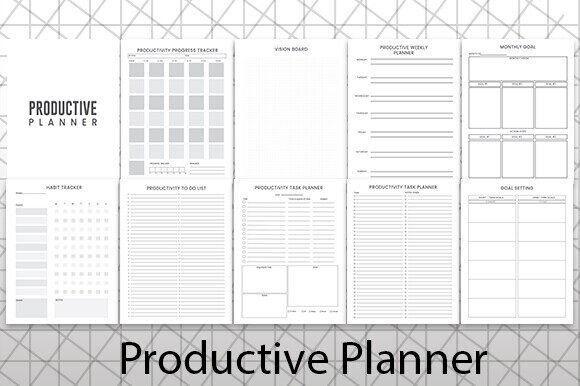
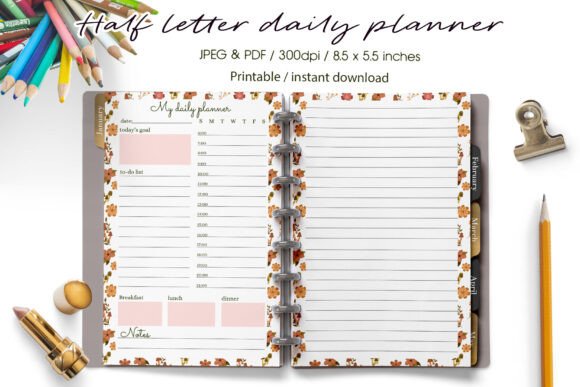
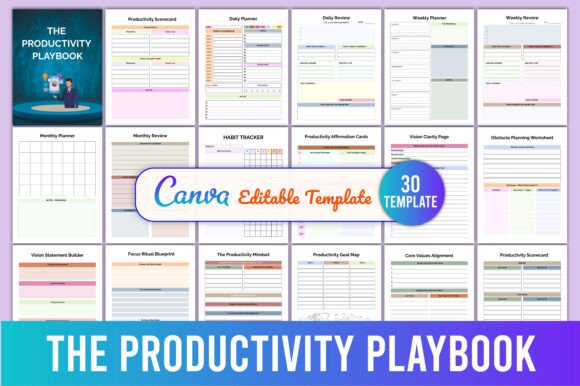
During Execution: The Daily, Weekly, and Monthly Planners provide flexible layouts that allow you to prioritize tasks, allocate time effectively, and track progress. Pair these with the Energy Distraction Tracking feature to identify time-wasters and optimize your schedule around peak productivity hours. This ensures you’re not just working harder, but smarter.
After Completion: Use the Focus Ritual and End-of-Day Reviews to reflect on what worked and what didn’t. This reflection process is crucial for continuous improvement. The Productivity Scorecards offer a way to measure your progress across key areas like mindset, energy, and time management, giving you insights into where to refine your approach.
Integrating the Playbook with Other Tools
The Productivity Playbook isn’t meant to replace other tools—it complements them. It works well with digital calendars, task managers, and note-taking apps. For example, you can use the playbook’s daily planner alongside a digital calendar to sync your commitments and deadlines. The Affirmation Cards and Reflection Pages can be integrated into morning or evening rituals, reinforcing positive habits and self-awareness.
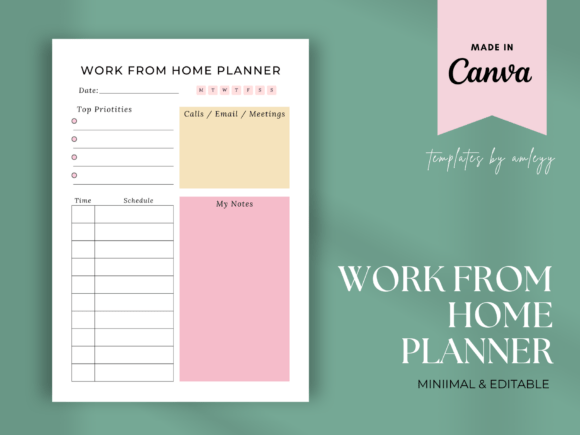
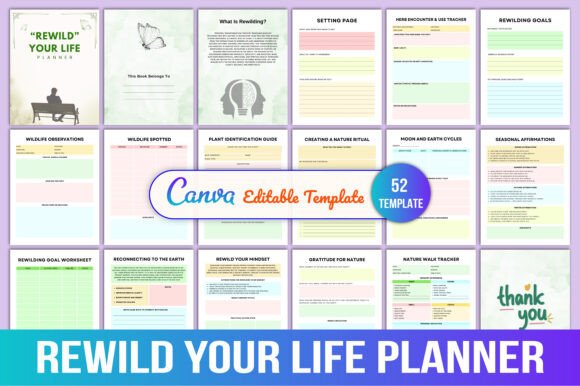
For those who prefer a visual approach, the editable Canva link included in the playbook allows customization of templates. This flexibility makes it easier to adapt the playbook to different industries, roles, or personal preferences. Whether you’re a freelancer managing multiple clients or an entrepreneur scaling a business, the playbook can be tailored to fit your specific needs.
Practical Tips for Effective Implementation
To get the most out of the Productivity Playbook, start by setting realistic expectations. It’s not about perfection—it’s about progress. Begin by identifying one or two key areas where you’d like to improve, such as time management or habit formation. Then, choose the corresponding sections of the playbook that align with those goals.
Consistency is key. Set aside dedicated time each day to engage with the playbook, even if it’s just 10–15 minutes. This small investment can lead to significant long-term benefits. Additionally, don’t hesitate to revisit previous sections as needed. The playbook is designed to evolve with you, so it’s okay to go back and refine your strategies as your priorities change.
Another useful tip is to leverage the Obstacle Planning Worksheets. These pages help you anticipate potential roadblocks and develop personalized solutions. By addressing challenges proactively, you’ll build resilience and reduce the likelihood of burnout or frustration.
Why the Productivity Playbook Stands Out
What sets the Productivity Playbook apart is its holistic approach. While many productivity resources focus solely on time management or task lists, this playbook addresses the emotional and psychological aspects of productivity as well. It recognizes that without mental clarity and self-awareness, even the best plans can fall short.
The combination of mindset reframes, goal mapping, and structured planning creates a feedback loop that supports continuous growth. Users report feeling more in control of their time, more aligned with their values, and more motivated to take consistent action. This balance between structure and flexibility makes it ideal for a wide range of users, from busy professionals to creative individuals seeking deeper focus.
Real-World Applications Across Industries
The Productivity Playbook is adaptable to various fields and lifestyles. For instance, educators can use it to plan lesson schedules, manage grading workflows, and maintain work-life balance. Entrepreneurs might find it useful for tracking business milestones, refining marketing strategies, and maintaining long-term vision. Freelancers can leverage the playbook to manage client interactions, set boundaries, and build sustainable income streams.
Creatives, such as writers, designers, or musicians, often struggle with procrastination and burnout. The Playbook’s reflection prompts and affirmation cards can help them stay grounded and motivated during periods of creative block. Meanwhile, hobbyists looking to deepen their engagement with a passion can use the goal mapping and daily planner sections to structure their practice sessions and measure progress over time.
Long-Term Benefits and Sustainability
One of the most valuable aspects of the Productivity Playbook is its emphasis on sustainability. Unlike quick fixes or temporary hacks, this tool is designed for long-term use. The focus on mindset development and self-assessment ensures that users continue to grow and adapt as their goals and circumstances evolve.
By regularly engaging with the playbook, users develop a deeper understanding of their habits, strengths, and areas for improvement. This self-awareness leads to more intentional decision-making and a stronger sense of agency over their work and life. Over time, these small shifts compound into meaningful changes that support lasting productivity and fulfillment.
Conclusion
The Productivity Playbook is more than a planner—it’s a roadmap for intentional living and work. By combining mindset development, strategic planning, and structured execution, it equips users with the tools they need to achieve their goals while maintaining balance and clarity. Whether you’re launching a new project, refining your daily routine, or simply seeking greater control over your time, this playbook offers a comprehensive solution that fits seamlessly into your workflow.